How to Remove an Old Overdraft from ChexSystems
4/20/20264 min read
Understanding ChexSystems and Overdrafts
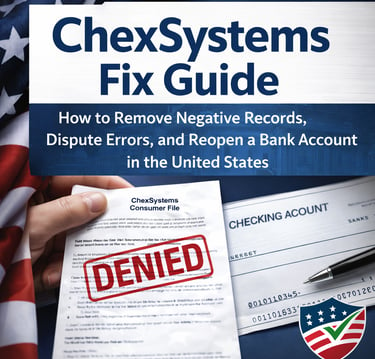
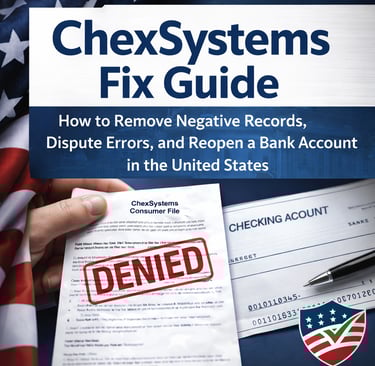
ChexSystems is a consumer reporting agency that plays a significant role in the banking industry. Financial institutions utilize this agency to assess the banking history of individuals when they apply for a new account. Essentially, ChexSystems maintains a record of checking and savings account activity, focusing on negative information such as overdrafts, account closures, and fraud incidents. When a bank reports a consumer to ChexSystems due to an overdraft, it indicates that the account holder has borrowed more than what was available, leading to an owed balance and often incurring additional fees.
The implications of having an overdraft reported in ChexSystems can be substantial. Individuals with negative reports may find it challenging to open new accounts, as banks often refer to ChexSystems to review an applicant's banking history. This situation can restrict access to essential financial services, leading to difficulties in managing day-to-day expenses and restricting financial growth. Moreover, the presence of an overdraft on one's ChexSystems report may negatively influence credit scores indirectly, as it can indicate financial instability to potential creditors.
Addressing old overdrafts recorded in ChexSystems becomes vital for anyone aiming to improve their financial health and banking opportunities. Older overdrafts can remain on your report for several years, and their presence can deter financial institutions from granting account applications. By resolving these overdraft issues, whether through payment arrangements or negotiations with the original bank, individuals can improve their standing in the eyes of financial institutions. Consequently, taking proactive steps to manage and rectify old overdrafts fosters a healthier financial profile, thus enhancing future banking prospects.
Steps to Identify and Verify Overdrafts
Understanding the details of your financial history is paramount, especially when managing records maintained by ChexSystems. To begin, it is essential to obtain your ChexSystems report. This report can be requested online from the ChexSystems website, by mail, or via phone. Under the Fair Credit Reporting Act, you are entitled to one free report per year, enabling you to review the information without incurring any fees.
Once you have obtained your report, focus on identifying any overdrafts that might have been reported. Overdrafts may not always reflect your account's actual standing due to factors such as reporting errors or outdated information. Carefully examine each item in your report for accuracy, noting any discrepancies in account balances, transaction dates, or the amount owed.
If you find overdrafts that seem inaccurate, documentation will play a crucial role in the verification process. Gather supporting evidence such as bank statements, payment confirmations, and relevant correspondence with your financial institutions. This documentation serves as a foundation for disputing inaccuracies in your ChexSystems report.
Once you’ve compiled your documentation, the next step is to initiate a dispute. You can typically do this directly with ChexSystems, providing them with clear details about the discrepancies along with your supporting evidence. ChexSystems is required to investigate the claim and respond within thirty days. Be vigilant in following up on your dispute to ensure that the inaccuracies are rectified appropriately.
By consistently checking your ChexSystems report and rectifying any identified discrepancies, you can work towards removing any unwanted old overdraft entries, thereby enhancing your financial reputation.
Methods to Remove Old Overdrafts from ChexSystems
Removing an old overdraft from ChexSystems can be a crucial step in regaining access to banking services. To effectively address this issue, several strategies can be employed. Firstly, one of the most straightforward approaches is to directly contact the bank where the overdraft originated. Individuals should be prepared to discuss their account history and any circumstances that contributed to the overdraft. When communicating with the bank, it may be beneficial to request a "pay for delete" agreement. This type of agreement allows the consumer to pay the overdue amount in exchange for the bank's promise to remove the negative entry from ChexSystems.
Another viable method involves negotiating a repayment plan. Some banks may be open to offering more manageable payment options to clear the outstanding overdraft. By demonstrating a willingness to resolve the debt, consumers may also persuade the bank to consider removing their report from ChexSystems once the agreed payments have been made. It's essential to obtain written confirmation of any agreements reached during these discussions, as these documents serve as proof of the arrangement.
Additionally, consumers must be aware of their rights under the Fair Credit Reporting Act (FCRA). This federal law ensures that consumers have the right to dispute inaccurate or outdated information. If an overdraft has not been reported correctly, filing a dispute with ChexSystems could prompt a review of the records, potentially leading to the removal of erroneous data.
After initiating any of these methods, individuals should follow up consistently. Keeping track of communications with both the bank and ChexSystems is vital to ensure that requests for removal are addressed in a timely manner. Through diligent persistence and leveraging appropriate consumer rights, removing an old overdraft can become a manageable process.
Preventing Future Overdraft Issues and Maintaining Good Standing
To avoid falling into overdraft situations and to maintain a good standing with ChexSystems, individuals should adopt proactive financial management strategies. One essential step is effective budgeting. By creating a comprehensive budget, individuals can track their income and expenses, thus gaining a clearer understanding of their financial health. Utilizing various budgeting tools or applications can facilitate this process, allowing for real-time monitoring and adjustment of spending habits.
Moreover, regular account monitoring is crucial in preventing overdrafts. Users should routinely check their bank balances and transaction histories to stay informed about their available funds. Setting up weekly alerts or notifications from banks can serve as a reminder, enabling individuals to act promptly if their account balance is nearing the limit. Implementing a system of checks can help identify unauthorized transactions or errors that could lead to overdrafts.
Exploring overdraft protection options is another prudent measure. Many banks offer overdraft protection services that can be linked to a savings account or credit card, which serve as a buffer in case of an inadvertent overdraft. While these services may have associated fees, they can prevent the more significant costs associated with bounced checks and negative balances.
Finally, maintaining a good rating with ChexSystems requires diligence. Regularly reviewing one’s ChexSystems report can help individuals stay informed about their banking history, allowing them to address any inaccuracies promptly. Nimble financial habits paired with an awareness of one's ChexSystems standing can pave the way for improved access to financial services in the future.
Every month you wait is costing you real money in fees, missed bonuses, and denied opportunities.
Stop guessing and stop getting rejected — fix it the right way.
👉 Get the ChexSystems Fix Master Guide now and take back control.
Help
Guidance for fixing your chexsystems report.
Contact
infoebookusa@aol.com
© 2026. All rights reserved.