
How to Stop Getting Denied Bank Accounts
3/22/20264 min read
Understanding Bank Account Denials
Bank account denials can be a frustrating experience for many individuals. Understanding the common reasons behind these denials is crucial for improving chances of successful applications in the future. One of the primary reasons for being denied a bank account is a poor credit history. Financial institutions often assess credit scores when processing account applications. A low credit score, which may indicate a history of missed payments or defaulting on loans, may give banks reason to decline an application.
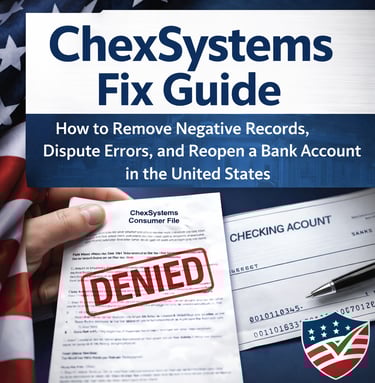
Another significant factor influencing bank account approval is negative banking history. This includes previous accounts that have been closed or marked with negative information, such as excessive overdrafts or account closures due to suspicious activity. Many banks rely on reporting agencies like ChexSystems to provide comprehensive reports on an applicant's banking history. A negative ChexSystems report can severely hinder one's ability to open a new account.
Additionally, outstanding debts can contribute to the denial of a bank account. Financial institutions consider debt-to-income ratios and overall financial health during the application process. High levels of existing debt may indicate that an applicant is a financial risk, further affecting their eligibility. Moreover, a history of repeated overdraft fees could signal poor money management skills, prompting banks to deny requests for new accounts.
Potential applicants must also be aware of how to cultivate a positive relationship with financial institutions. Regularly monitoring personal credit reports and banking history can help individuals identify and address issues before applying for a bank account. Furthermore, taking steps to settle outstanding debts and improve credit scores can enhance overall prospects during the application process.
Assessing Your Financial Health
When looking to open a bank account, it is essential to first assess your financial health thoroughly. This self-evaluation process involves several key components that can impact your bank account application. One of the primary factors to consider is your credit score. This numerical representation of your creditworthiness is derived from your credit history and is often a critical determinant for banks when evaluating potential clients.
To begin, you should obtain a copy of your credit report from the three major credit bureaus—Equifax, Experian, and TransUnion. Analyzing your credit report allows you to identify any discrepancies or negative marks that might adversely affect your application. Common issues that can lead to denials include missed payments, charge-offs, and defaults. If you find any errors on your report, it is vital to dispute them promptly, as correcting these mistakes can improve your overall credit score.
Another significant factor to consider is your banking history. If you have previously held bank accounts that were closed by the bank due to overdrafts or unpaid fees, this could raise red flags for prospective banks. Reviewing your past banking activities will give you insights into whether there are any lingering issues that need to be resolved prior to applying for a new account. Additionally, understanding your debt-to-income ratio is essential. This ratio, which compares your total monthly debt payments to your gross monthly income, plays a crucial role in determining your financial stability. A high debt-to-income ratio may signal to lenders that you are over-leveraged, which could lead to application denials.
Improving Your Bankability
Enhancing your bankability can significantly increase your chances of securing a bank account. One of the primary steps is to improve your credit score, as many banks consider this a vital factor during their assessment process. To begin, review your credit reports for any inaccuracies or outdated information, as correcting these can quickly uplift your score. Additionally, pay down outstanding debts and make timely payments on current accounts; this demonstrates responsibility and financial stability.
Another crucial element to consider is addressing any issues found in your ChexSystems report. Banks often use ChexSystems to assess applicants' banking histories. If you discover negative marks on your report, consider reaching out to the reporting institution to resolve discrepancies. Moreover, if possible, limit the number of new bank accounts you apply for in a short time, as multiple inquiries can adversely affect your overall bankability.
For those who have faced repeated denials due to their banking history, alternative banking options can serve as a valuable resource. Credit unions, for instance, often offer more lenient membership requirements, making them an excellent choice for individuals with challenging financial backgrounds. Prepaid cards and digital banks might also provide accessible financial services without the stringent requirements of traditional banks. These options can help you rebuild your banking history while managing your finances effectively.
By focusing on these actionable strategies—improving your credit score, resolving ChexSystems issues, and exploring alternative banking solutions—you can enhance your overall bankability. This proactive approach not only positions you favorably in the eyes of financial institutions but also lays the groundwork for better financial health in the future.
Finding the Right Banking Institution
Choosing an appropriate banking institution is crucial, especially for individuals with a history of denied bank applications. To begin the search, it is important to identify banks and credit unions that are known for their willingness to work with clients who have faced challenges in their banking history. Some financial institutions specifically cater to individuals who may be deemed high-risk due to previous account closures or negative credit reports.
When exploring options, look for accounts that are marketed as second-chance or fresh start accounts. These accounts typically come with fewer restrictions and can provide a pathway to rebuilding your banking reputation. Furthermore, consider institutions that offer tools for managing finances, as these can aid in maintaining a positive standing moving forward.
Research is essential; take note of each institution's customer reviews and feedback regarding their service quality. Positive customer service experiences can significantly enhance your banking interactions and provide clarity on account management. Additionally, it is advisable to inquire about the bank's policies regarding overdrafts and fees. Understanding these terms can prepare you for a successful application process.
Before applying, gather all necessary documentation, such as identification, Social Security number, and proof of address. Some institutions may require additional verification, so it is prudent to reach out to ask about specific application requirements. Demonstrating transparency and preparedness can greatly improve your chances of approval.
In conclusion, finding the right banking institution requires diligent research and understanding of individual needs. By focusing on customer service and policies that align with your financial situation, you can increase your chances of obtaining a bank account and setting the stage for future financial stability.
Every month you wait is costing you real money in fees, missed bonuses, and denied opportunities.
Stop guessing and stop getting rejected — fix it the right way.
👉 Get the ChexSystems Fix Master Guide now and take back control.
Help
Guidance for fixing your chexsystems report.
Contact
infoebookusa@aol.com
© 2026. All rights reserved.