
How to Stop Multiple Bank Denials: A Comprehensive Guide
4/14/20267 min read
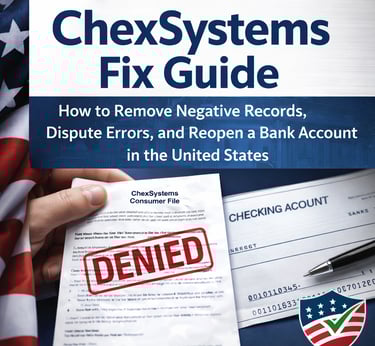
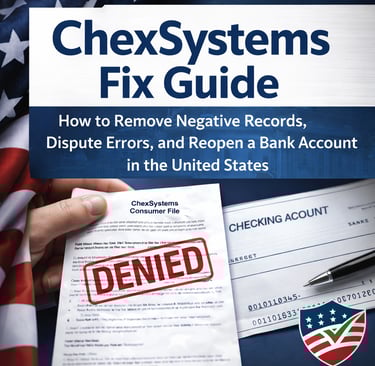
Understanding Bank Denials
Bank denials occur when financial institutions reject an application for an account, loan, or credit facility. These denials can pose significant challenges to individuals seeking to establish credit or secure financing for major purchases, such as a home or vehicle. Understanding the nature of bank denials is crucial for anyone navigating the financial landscape.
There are several common reasons why a bank might deny an application. One of the primary factors is an individual's credit score, which serves as a reflection of their creditworthiness based on their credit history. A low credit score may indicate a history of late payments, high credit utilization, or inadequate credit accounts, leading to a denial. Additionally, banks might consider personal debt-to-income ratios, which measure an individual’s ability to manage monthly payments in relation to their income.
Another notable reason for bank denials is insufficient or inaccurate information in an application. This could range from misspellings or errors in personal details to failure to provide necessary documentation. Banks require comprehensive information to evaluate applications thoroughly; any inconsistencies may raise red flags and result in a rejection. Furthermore, the purpose of the loan or account itself can influence the bank's decision. For example, a request for a large sum without a clear purpose or plan may be viewed with skepticism.
Understanding these factors is vital for individuals facing bank denials. The implications of repeated rejections can extend beyond mere inconvenience, potentially affecting one’s credit score and overall financial health. Each denial can lead to inquiries on the credit report, which may further impact an applicant's creditworthiness. Therefore, addressing the reasons for bank denials proactively empowers individuals to improve their financial standing, enabling them to secure necessary banking services in the future.
Common Reasons for Bank Denials
When applying for a bank account or a loan, many individuals are met with the unfortunate experience of denial. There are several reasons for such occurrences, with the most common being a poor credit history. A credit score is a crucial factor; it reflects an individual's creditworthiness, based on their history of borrowing and repayment. A low score can lead to rejections, as banks often prefer customers with established records of responsible financial behavior.
Insufficient income is another critical reason for bank denials. Banks assess applicants to ensure they possess the means to repay loans or manage accounts effectively. A consistent and steady income reassures financial institutions of your capability to meet future commitments. If an applicant's income fails to meet the bank's requirements, this may lead to automatic rejection, regardless of other factors.
Discrepancies in information can also result in denials. When applying for a financial product, one must provide accurate details about personal and financial status. If there are inconsistencies between the information provided and what the bank retrieves from external sources, it raises red flags about the credibility of the application. Transparency during the application process can mitigate this risk significantly.
Finally, failing to meet the specific criteria set by the bank can result in denials as well. Each bank has its own sets of requirements that can include factors like minimum age, residency status, and previous banking history with the institution. Understanding these criteria before applying can save potential applicants from the disappointment of denial.
How to Check Your Credit Score and Report
Understanding your credit score and having access to your credit report are essential steps in managing your financial health, especially if you are facing multiple bank denials. Your credit score is a numerical representation of your creditworthiness, ranging typically from 300 to 850, with higher scores indicating lower risk to lenders. Therefore, knowing your score can provide insight into whether your credit profile supports your financial goals.
To check your credit score, you can utilize various resources such as credit monitoring services or financial institutions that offer free scores. Additionally, the three major credit bureaus—Equifax, Experian, and TransUnion—provide annual free credit reports, which allow you to see the detailed information that influences your score. It is advisable to obtain a report from each bureau, as discrepancies can exist among them.
It is crucial to review your credit report for any errors, as inaccuracies can have a negative impact on your score. Common errors include incorrect personal information, unfamiliar accounts, or inaccurate payment history. If you uncover any discrepancies, you can dispute them directly with the credit bureau, which is obligated to investigate and correct inaccuracies if proven valid.
Moreover, understanding the factors that affect your credit score can empower you to make informed decisions. Major components of a credit score include payment history, credit utilization ratio, length of credit history, types of credit accounts, and recent inquiries. Each of these factors contributes to your overall score and can vary in weight depending on the scoring model used. By becoming familiar with these aspects, you can work towards improving your score and enhancing your chances of obtaining loan approvals in the future.
Improving Your Credit Score
Credit scores play a crucial role in securing approval for financial products, including loans and credit cards. To enhance your credit score effectively, consider implementing several actionable strategies. One of the most straightforward yet impactful methods is to ensure timely payments of bills and loans. Payment history is a significant factor in credit scoring, and consistently paying on time demonstrates reliability to financial institutions.
Additionally, focusing on reducing your debt-to-income ratio can significantly improve your credit profile. This ratio is calculated by comparing your total monthly debt payments to your gross monthly income. Maintaining a lower ratio indicates to lenders that you are not overextending yourself financially, which can positively influence your credit score. Aim to pay down existing debts and avoid taking on unnecessary new debt where possible.
Furthermore, reviewing your credit report regularly is essential to identify any inaccuracies that may negatively impact your score. Disputing errors in your credit report—such as incorrect account information, late payments that were made on time, or accounts that do not belong to you—can lead to a potential increase in your credit score once resolved. Various credit reporting agencies allow you to access your report for free at least once a year, providing an opportunity to rectify any discrepancies promptly.
In addition to these strategies, consider adopting sound financial management practices such as maintaining a diverse mix of credit, avoiding significant new credit inquiries, and keeping older accounts open to demonstrate a longer credit history. Engaging in such responsible financial behaviors not only improves your credit score but also enhances your overall financial health, equipping you for better opportunities in the future.
Gathering Necessary Documentation
When applying for a bank account or a loan, preparing the appropriate documentation is crucial to ensure a smooth process and decrease the likelihood of multiple bank denials. The first essential document is proof of identity, which can include a government-issued photo identification, such as a driver's license or passport. This verifies your identity and aligns with banking regulations.
Furthermore, financial institutions often require proof of income. This can take various forms, including recent pay stubs, tax returns from the past few years, or bank statements that reflect consistent deposit activity. For self-employed individuals, providing documentation such as profit and loss statements or 1099 forms is beneficial. Having these documents readily available demonstrates financial stability, reinforcing your eligibility for the requested services.
Additionally, compiling your credit history is recommended. This may involve obtaining a credit report, which outlines your credit activity and current standing. A good credit report can significantly bolster your application and mitigate the risk of denials due to perceived low creditworthiness. Make sure to review the report for inaccuracies and resolve any discrepancies prior to your application.
It's also wise to prepare a list of any outstanding debts or obligations, as this will give the lender insight into your overall financial situation. Transparency regarding current liabilities is often appreciated and can contribute positively to your application.
Lastly, organizing all relevant documents systematically improves your overall application experience. Clear and concise documentation not only supports your case but also showcases your preparedness and attention to detail, crucial elements in improving your chances of approval for bank products.
Building a Solid Banking Relationship
Establishing a robust banking relationship is integral to securing favorable terms and avoiding multiple bank denials. A positive rapport with bank representatives can greatly benefit individuals seeking credit products or loans by enhancing trust and enhancing the likelihood of approval. Effective communication is essential; therefore, it is advisable to proactively engage with bank staff whenever possible.
Starting this relationship often begins with successfully opening a checking or savings account. To open an account, gather essential documentation, such as valid identification, Social Security number, and proof of address. Once you have these documents, approach the bank’s representative and inquire about different account types. Understanding the features and fees associated with each option will enable informed decisions that align with your financial goals.
After opening an account, maintaining regular interaction with the bank is crucial. Regular deposits, responsible spending, and on-time payments can showcase your reliability as a customer. Additionally, feel free to reach out for guidance or inquire about new services, as this demonstrates an active interest in your banking relationship. Building a personal connection with your bank may lead to personalized advice tailored to your financial situation.
Furthermore, attending bank-hosted events or workshops can introduce you to various financial services and create networking opportunities with bank representatives. This goodwill can culminate in better service and investment in your financial future. Ultimately, a solid relationship with your bank not only increases the likelihood of loan approvals but can also lead to building a trustworthy credit profile. This relationship should be nurtured over time, as the benefits of a strong banking partnership can be invaluable when seeking financial assistance in the future.
Moving Forward After Denials
Receiving a denial from a bank can be disheartening, but it is crucial to approach the situation with a constructive mindset. The first step to take after such an experience is to carefully review your application. This involves analyzing the details you submitted, including income information, employment history, and credit score. Identify any discrepancies or areas that may have raised concerns for the bank. By understanding the basis for their decision, you can develop a more effective strategy for reapplying or seeking alternative financial options.
Next, address the issues highlighted in your denial letter. Many banks will provide reasons for their decision, such as insufficient income, high debt-to-income ratio, or a poor credit score. It is essential to take these points seriously and work on improving your financial situation. This might involve creating a stricter budget, paying down debts, or even increasing your income through additional work or investments. If credit issues are a significant concern, consider monitoring your credit report for inaccuracies and taking steps to rectify them.
Additionally, learning from the experience is vital. Reflect on your current financial practices and whether they align with your long-term goals. Developing a broader understanding of what lenders are looking for can enhance your future applications. Education in credit management, budgeting, and debt reduction strategies can empower you to make informed financial decisions that may improve your chances of approval moving forward.
Finally, do not hesitate to seek professional financial assistance if necessary. Financial advisors, credit counselors, or mortgage brokers can provide valuable guidance tailored to your specific circumstances. By taking proactive steps and arming yourself with knowledge, you can regain control of your financial situation and enhance your prospects of securing bank approval in the future.
Every month you wait is costing you real money in fees, missed bonuses, and denied opportunities.
Stop guessing and stop getting rejected — fix it the right way.
👉 Get the ChexSystems Fix Master Guide now and take back control.
Help
Guidance for fixing your chexsystems report.
Contact
infoebookusa@aol.com
© 2026. All rights reserved.