
Navigating the Unknown: What to Do If You Never Knew You Were Reported
4/1/20264 min read
Understanding the Reporting Process
In any context, being reported can lead to significant repercussions for an individual. Understanding the reporting process is crucial, as it pertains to various scenarios—whether in workplace settings, online platforms, or official authorities. Reporting typically involves an individual or entity bringing specific concerns regarding another person’s behavior, actions, or performance to the attention of relevant stakeholders. The term ‘reporting’ can refer to numerous situations, including, but not limited to, grievances in the workplace, issues of misconduct, or violations of community guidelines online.
Individuals can be reported for a variety of reasons, ranging from misconduct to breaches of ethical standards. In the workplace, common reasons for reporting may include harassment, discrimination, or failure to adhere to company policies. Online, reports can stem from instances of abusive behavior, harassment, or violations of the platform's terms of service. Similarly, interactions with authorities can involve allegations of criminal behavior, which necessitate a legal evaluation of the situation.
Understanding the legal and procedural frameworks governing the reporting process is also essential. Each setting often has its own set of policies that dictate how reports should be handled and the rights of the individual being reported. Typically, organizations will have formal procedures to follow, including investigation protocols, resolution processes, and avenues for appeal. It is vital for those unfamiliar with the reporting landscape to become aware of these frameworks, as they offer protection and guidance during a potentially stressful period.
Being reported can come as a surprise, particularly if the individual was unaware of any wrongdoing. Hence, gaining a clear comprehension of the reporting process, the various scenarios under which it occurs, and the associated legal considerations will better prepare individuals for navigating the often complex ramifications that arise. This foundational knowledge creates a pathway to effectively address the situation.
Recognizing Signs of Being Reported
Understanding the signs that may indicate one has been reported is crucial for appropriate response and intervention. Several subtle or overt cues can suggest that others are discussing your actions or conduct with authority figures. Firstly, a noticeable change in behavior from colleagues or peers is often the most immediate indicator. If coworkers who previously engaged with you suddenly become distant or constrained, this may reflect underlying issues related to a report without your knowledge.
Another sign can be the presence of formal communication, such as emails or memos, that relate to your work or interactions that seem out of the ordinary. For instance, if you receive unexpected inquiries from management or human resources that pertain to your actions, it could imply that a report exists. It is essential to assess the tone and content of these communications, as they may contain indirect implications of a preceding investigation.
Moreover, being aware of informal discussions or rumors circulating among your peers is important. When conversations shift to your work or behavior in an unusual or critical manner, it may signal that you are a subject of scrutiny. Additionally, if you observe a formal inquiry or investigation that involves you, it is prudent to approach the situation with caution. Such inquiries can be initiated due to legitimate concerns or formal complaints that could point toward existing reports. Recognizing these signs enables individuals to take stock of their circumstances and consider seeking clarity or support as necessary.
Steps to Take After Learning You Were Reported
Discovering that you have been reported can be an unsettling experience. It is crucial to remain calm and composed as you navigate through the situation. The first step is to gather as much information as possible regarding the report. Understanding the specifics of the allegation can help you respond effectively. Approach the circumstances with a clear mind, prioritizing emotional stability.
Next, seek clarification from the reporting entity, if feasible. This could be an employer, school administrator, or another relevant party. Engaging in a constructive dialogue can provide insights into the nature of the report and the motivations behind it. It is vital to listen actively and ask pertinent questions to clarify any ambiguities surrounding the accusations.
Documenting everything related to the report is essential. Keep detailed records of conversations, emails, and any other communications concerning the incident. This documentation may become invaluable if you need to defend yourself or seek legal recourse later on. Maintaining a timeline of events and your responses to the report can also be helpful to ensure clarity in narrative.
It is equally important to understand your rights in this situation. Familiarize yourself with relevant laws, workplace policies, or institutional guidelines that may apply to your case. Knowing your rights empowers you to act appropriately and ensures you are treated fairly throughout the process.
If communication with the reporting body becomes difficult or if the implications of the report escalate, consider seeking legal advice. A qualified attorney can provide you with the counsel necessary to navigate this potentially complex situation, guiding you on how best to manage the consequences of the report while protecting your rights.
Moving Forward: Strategies for Recovery and Resolution
Experiencing the aftermath of being reported can evoke a wide range of emotions and significantly impact one’s mental well-being. Therefore, developing effective strategies for recovery and resolution is essential for regaining a sense of normalcy. One crucial aspect is rebuilding trust, which often takes time and requires patience. It is important to engage in open dialogue with those involved, allowing for honest communication to address concerns and misunderstandings. This transparency can help alleviate fears and establish a foundation for future interactions.
Self-care plays a pivotal role in mitigating the stress and anxiety that may arise from such experiences. Prioritizing mental health through practices such as mindfulness, exercise, and hobby engagement can foster resilience. Techniques like journaling or meditation can also provide a safe outlet for processing feelings. Additionally, establishing a structured routine may bring comfort and stability during turbulent times.
Seeking support from trusted friends or professionals is equally important. Confiding in people who understand the situation can alleviate feelings of isolation and provide valuable perspectives. Alternatively, consulting with mental health professionals can offer guidance tailored to personal needs, helping individuals process their emotions and develop coping strategies.
Participating in support groups, whether in-person or online, can also provide a sense of community and shared understanding. Connecting with others who have experienced similar situations fosters an environment of empathy and encouragement. Utilizing these resources allows for purposeful engagement with the recovery process.
Ultimately, progressing through the emotional turmoil following a report requires a multifaceted approach. By focusing on rebuilding trust through open communication, prioritizing self-care, and seeking support, individuals can navigate the path toward recovery and resolution in a constructive manner.
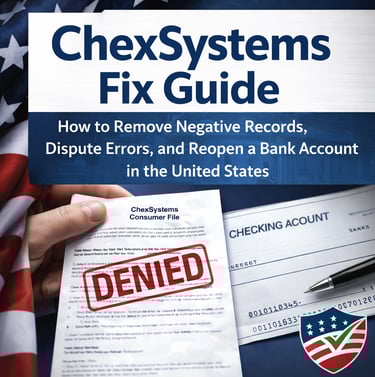
Every month you wait is costing you real money in fees, missed bonuses, and denied opportunities.
Stop guessing and stop getting rejected — fix it the right way.
👉 Get the ChexSystems Fix Master Guide now and take back control.
Help
Guidance for fixing your chexsystems report.
Contact
infoebookusa@aol.com
© 2026. All rights reserved.