
Understanding the Consequences of Overdraft Debt Sales by Banks
7/15/20262 min read
Introduction to Overdraft Debt
Overdraft debts occur when an individual withdraws more money from their bank account than is available, leading to a negative balance. This situation can arise from various reasons, including unexpected expenses or insufficient financial planning. When this debt accumulates, banks may take action to recover the funds. One common measure is to sell the overdraft debt to a third-party collection agency. Understanding what happens during this process can provide insight for those affected.
The Selling Process of Overdraft Debt
When a bank decides to sell an overdraft debt, it usually takes several steps. First, the bank assesses the situation regarding the outstanding amounts and the likelihood of recovery. If the debt is deemed unlikely to be collected, the bank may choose to sell it to a collection agency. This process often involves selling the debt at a significant discount, allowing the collection agency the opportunity to recover more than what they paid. However, the original debtor remains responsible for the full amount owed, despite the nominal sale price.
Impact on Debtors
For individuals whose overdraft debts have been sold, the consequences can be significant. Once the debt is transferred to a collection agency, the debtor may begin receiving communications from the new creditor. This shift can be stressful, as collection agencies often employ more aggressive tactics than traditional banks. These tactics can include frequent phone calls, letters, or even legal action if the debt remains unpaid.
Additionally, this transition can affect one's credit score. The initial overdraft itself may already have impacted the debtor's credit, but the sale and subsequent collection efforts can lead to further negative marks on their financial history. Borrowers may find it challenging to secure future loans or credit lines as a result.
Strategies for Managing Overdraft Debt
Individuals facing overdraft debts should take proactive measures to manage their financial situation. First, it is crucial to communicate with the collection agency if the debt has been sold. Negotiating a repayment plan or settlement can sometimes alleviate some financial burden. Also, understanding one’s rights under debt collection laws can provide protection against unfair practices.
Creating a budget to track spending and income can also help prevent future overdrafts. Taking advantage of educational resources about personal finance can enhance an individual's ability to manage their bank account effectively, thus reducing the risk of incurring further debts.
Conclusion
Understanding the implications of a bank selling an overdraft debt is essential for anyone who may find themselves in this situation. Knowing the process and the potential impact helps individuals take charge of their financial situation. By implementing effective management strategies, one can not only deal with existing debts but also work towards preventing similar issues in the future.
Every month you wait is costing you real money in fees, missed bonuses, and denied opportunities.
Stop guessing and stop getting rejected — fix it the right way.
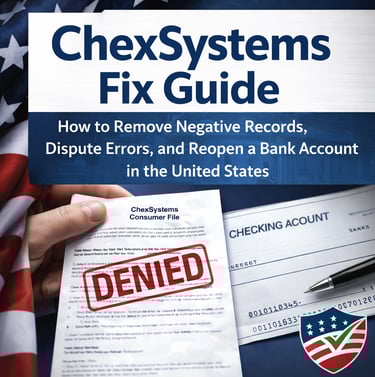
👉 Get the ChexSystems Fix Master Guide now and take back control.
Help
Guidance for fixing your chexsystems report.
Contact
infoebookusa@aol.com
© 2026. All rights reserved.