
Understanding the Difference Between NSF and Overdraft
9/15/20262 min read

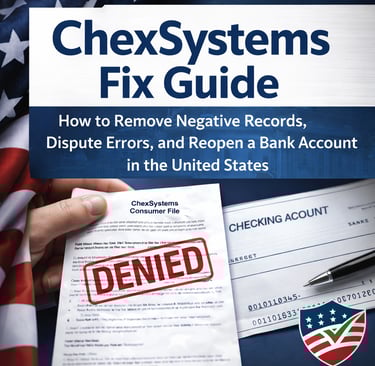
Introduction to NSF and Overdraft
When managing personal finances, it is crucial to understand various banking terms that can significantly impact your financial well-being. Two common terms that often confuse individuals are Non-Sufficient Funds (NSF) and overdraft. Both concepts relate to the inability to cover a transaction due to insufficient balance in a bank account, yet they carry different implications and outcomes.
What is Non-Sufficient Funds (NSF)?
Non-Sufficient Funds, commonly referred to as NSF, occurs when a bank account does not have adequate funds to cover a cheque or withdrawal. When the bank receives such a transaction, it will reject the payment, causing a hardship for the account holder and potential fees from both the bank and the entity trying to process the payment. The NSF charge can typically range from $25 to $35, depending on the financial institution.
Understanding Overdraft
In contrast, an overdraft allows account holders to withdraw more money than what is currently available in their accounts, up to a pre-determined limit set by the bank. This service is designed for convenience, ensuring that essential payments can be fulfilled even when funds are low. While overdraft protection can be advantageous, it is important to note that it often comes with its own set of fees, which can be hefty if the account is overdrawn for an extended period.
Key Differences Between NSF and Overdraft
The most prominent distinction between NSF and overdraft lies in their operations and consequences. With NSF, the transaction is denied, and the account holder faces immediate repercussions, such as bounced payment fees and potential damage to their credit score if banks report the incident. In a scenario involving an overdraft, however, the transaction is honored, meaning that the payment is processed, albeit resulting in a negative account balance and accruing fees for going over the available funds.
Furthermore, overdraft protection requires a prior agreement with the bank and is subject to approval, while NSF occurrences typically happen without notice and depend on the actual balance at the time of the transaction.
Conclusion: Making Informed Financial Choices
Understanding the nuances between NSF and overdraft is essential for sound financial management. By staying informed, individuals can make better choices regarding their banking needs, avoid unnecessary fees, and maintain financial health. If one often finds themselves facing NSF occurrences, considering overdraft protection might provide peace of mind, while those who prefer strict adherence to their budget may wish to monitor their balances closely to avoid any processing issues altogether.
Every month you wait is costing you real money in fees, missed bonuses, and denied opportunities.
Stop guessing and stop getting rejected — fix it the right way.
👉 Get the ChexSystems Fix Master Guide now and take back control.
Help
Guidance for fixing your chexsystems report.
Contact
infoebookusa@aol.com
© 2026. All rights reserved.